
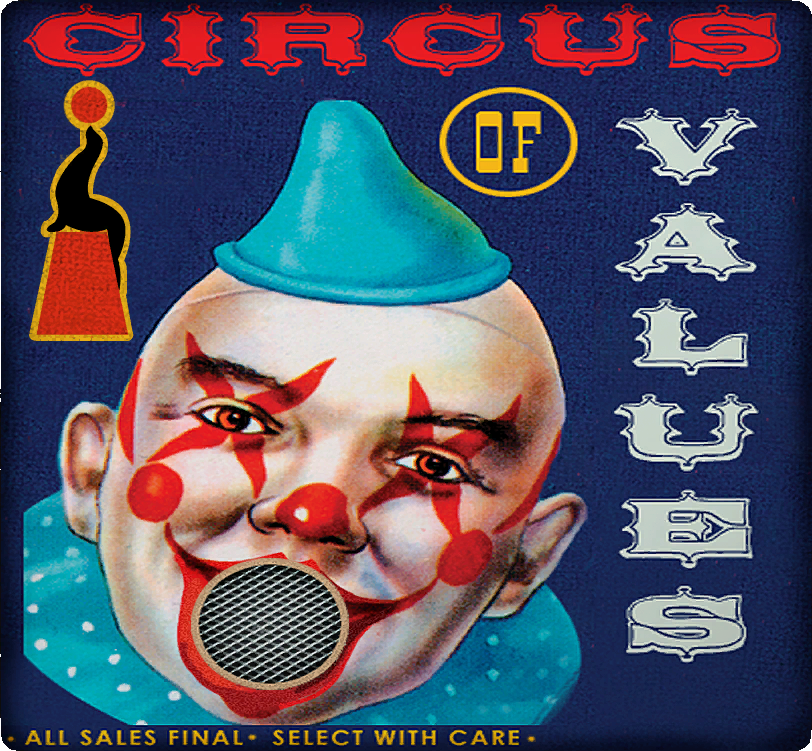
The Circus of Values

When discussing pulp magazines, I can’t help but come back to the BioShock series. Further still, when discussing advertisements. The title and featured image of this post naturally then, comes from a vending machine found in the original installment of the series. While there are equivalent machines in BioShock Infinite, there’s just something particularly accurate about a clown selling you medicinal aids and incendiary bullets that reminds me of the absurdity of advertising.

This fragment of the game’s contents encapsulates so much about advertising and capitalism which mirrors our discussions about advertising so well. “Get back when you’ve got some money, buddy.” The machine calls out into the void around it. The vending machine exists in a world where, among other things, true un-checked capitalism has taken over. The Circus of Values stands in more than just a place to buy items, but also where morality can be bought and sold. Something is wrong with you, and we can fix it with this product.

I briefly discussed in my first posting for this class, about the atmospheric choices of the BioShock series which really resonated with me when looking at pulp magazines. No area is more true than when considering advertising. The goals of ads, for the most part it seems, in the past century or so haven’t changed very much. While the wording or products may have changed, the message generally remains the same. We have a product that you need, and here’s why. While in some cases, this may take the guise of employment training (as is found in a lot of the magazines we’ve looked at), it also takes the form of products: ‘health’care, furniture, land, books, magazines, baby products, cigarettes, etc. These pages, that make the bulk of the beginnings and ends of mid-late pulp magazines, echo the sentiment of this Circus of Values. Spinning into a vortex of sales, it’s a freerange circus of what products you’ll choose to entertain this week. While the ads themselves may come across as the circus, trying to entertain potential buyers into purchasing (something that seems ever true with modern pop-up ads), I would argue that the readers too could be considered circus entertainers–buying products, buying values, to fit into the stage of society’s circus. Am I getting too deep? Perhaps I should buy more coffee.
coffee_2_1

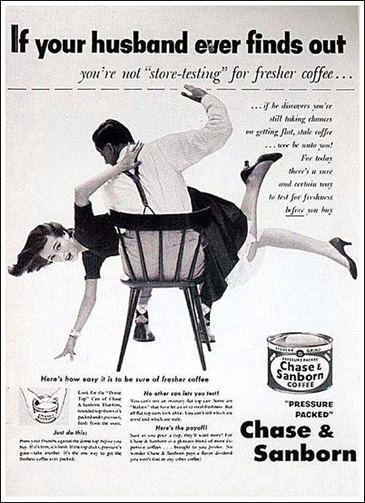
Of course, there’s an ad for that too. Advertising, like stories and other magazine images, exist to train people to behave and consume in specific ways. While we discussed in class early on that advertisements were often sold in bulk to publishing houses that produced a variety of pulp magazines, the fact remains that advertising still expected a certain kind of demographic from their purchase of advertising space. In this way, by deconstructing what magazines were published by which publishing houses, we can try to extrapolate what kinds of populations were targeted by these ads. While we can obtain small amounts of information about readership through analysis of “readership departments,” included in many pulp magazines, we can further try to compile an assemblage of facts by looking at all we have to offer, including targeted advertising markets. This kind of textual archaeology, gathering all the bits and pieces of the past to try to paint a larger story/snapshot of historical life, requires a lot of attention to detail, and demands scholars not to ignore anything.

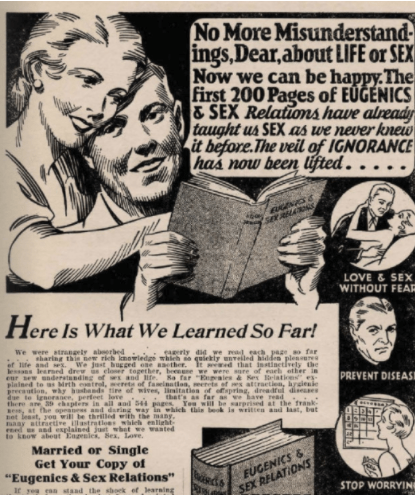
So what kinds of advertising areas did pulp magazines try to provoke their readers into consuming? This week, we looked at an issue of Western Story Magazine, as well as one from Love Story Magazine–both published by the same publisher. Ads generally promoted, as they often do, striving for something greater, achieving more–through products. This included pathways to marriage, improved physique (for both men and women), financial stability, cooking prowess, and excitement (?). Most of these in some form find their contemporaries in current publishing and media. Others, paint a very specific picture of the lives people were being told to strive for:
eugenics
The stern look of the man, the worried calendar tracking of the woman, the implied-if-not-overt racial purity implications. Ah, 1930s advertising.

As much as we can try to piece together readership from fragments like advertising, we need to be very keenly aware that advertising was more about who advertisers wanted the readership to be rather than who they were. Even the readership departments would have been heavily edited and curated to fit the ethos of the pulp magazine itself. Like so many other attributes of trying to piece together the past while living firmly in the present, we need to be careful about the assumptions we make based on what remains. If for nothing else, analyzing things like advertisements, or readership departments (which were effectively advertising for the magazine itself), help us to ask questions about the potential readership of a given magazine or publishing house. By taking as many perspectives as possible into account, we can try to get a more hollistic picture of the past. This of course extends beyond the magazines themselves, but also looking at other primary resources (periodicals, newspapers, literature) of the time, to try and find where populations intersect. Readers did not exist in isolation, nor should we treat them as such. Culture permiates everything, and somewhere beneath the layers of ads, stories, artwork, and news, we can try to find the remants of the people who held it all together.
teleportation_advertisement1
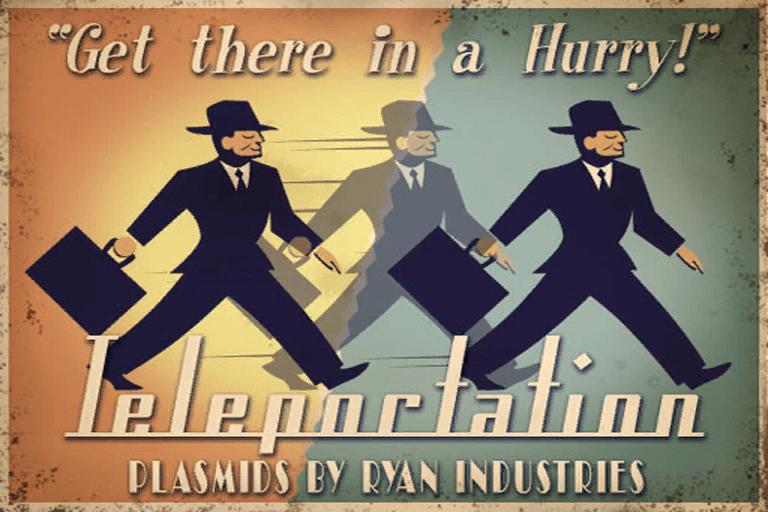
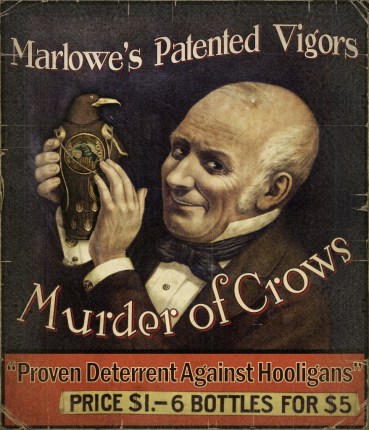
‘Plasmid’ advertising from BioShock; a product that literally improves you when you buy it. Nevermind the list of side effects and addictive qualities, however. Success requires sacrifice after all…

Imagining Text

It’s not surprising that in our contemporary minds, graphics matter. Over the years we’ve seen a steady increase in getting the biggest, best picture we can get for our visual screens. 4K resolution screens, virtual reality, and augmented reality technologies are changing how we view and interact with narrative. Not long ago, however, things were much more low key.In fact, for millenia, humanity utilized a much more limited toolkit for expressing ourselves visually. While the methods for visual representations have continued to evolve over time, the fact remains that even the earliest cave paintings tell stories–stories of everyday life, of existance.

a-bridgeman-rev-115959_ufqcqy

There’s a great deal of scholarship involved in the art of visual rhetoric–how we use graphical tools to transmit specific messages. Sometimes, the images themselves convey the message, othertimes, the message comes alongside the image. In this case, text and image interact with one another to create a more rounded version of the message.

As industrialization progressed, and pulp magazines were established, we see an increased use of graphical accompanyment alongside included stories. In Sillar’s chapter “Illustrated Magazines” from Visualisation in Popular Fiction, he challenges scholars to look at the relationship between images and text–how does their blending contribute to our expeirence of reading? To the overall ideology of the magazines? (76) Quite often, included images do not depict the entirety of a story, but rather highlight specific moments, often climaxes or otherwise dramatic situations. While these may have served to draw in potential readers with flashy renditions of narrative elements, they also served to enhance the stories themselves. While this may not surprise modern audiences, inondated with pop up ads, GIFs, videos, and flashy graphics infiltrating stories read online, graphic inclusion in pulp magazines would have been a vastly different story. While cover art and advertising images were commonplace, not all stories were given a graphical counterpart. Rarer still it seems, at least in the magazine’s we’ve surveyed thus far, was it for stories to be given more than one graphic, if they were given one at all. While covers drew readers into a particular story, increased use of graphics in other areas would help to engage readership further, and perhaps, produce repeat customers.

image
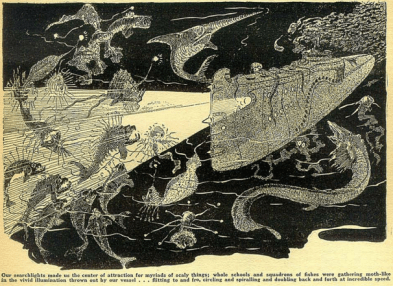
“The Sunken World” — Amazing Stories Quarterly, Summer 1928, p. 297

It’s interesting to consider how print technology changed alongside the earliest days of pulp magazines and throughout their run; the cultural elements that went alongside what kinds of images were or were not included. It is here we again see an artifical divide between high and low culture. As Mussell discusses in Chapter 2 of The Ninteenth Century Press in the Digital Age, while both ‘proper’ literature and pulp magazines utilized versions of woodcut print technology, woodcuts/wood engravings for pulp magazines were considered vulgar and quick. Conversely, wood carvings were considered high art forms that took longer to produce, and thus matched the cultural strata of “real” literature. As culturally low as woodcuts may or may not have been precieved, their inclusion in pulp magazines (and later hand-drawn graphics) opened up a wide array of new options for would-be readers. In addition to a likelihood of increased engagement (after all, who doesn’t love pictures), they also helped to make each magazine more unique by developing an art style. Like Sillars suggested above, images produced in these magazines contributed to the ethos of the magazine–who they would market themselves as and who they would market to. Pictures also allowed for individuals to engage with the material who struggled with reading the stories, or perhaps couldn’t read at all.

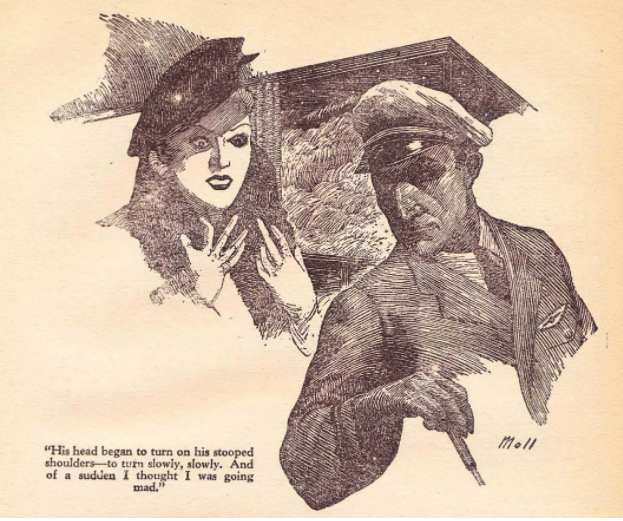
image2In preparing for class this week, I was struck by just how much my opinion of an image could change how I read or understood a story in a pulp magazine. While the image I chose to work on was relatively simple, it depicted a very specific climax of the story. I made note of what I could “read” in the image before actually reading the story, as well as a reflection after the fact. In truth, on its own, the image did very little to entice me to the story, but its inclusion gave me a lot of things to reflect on after the fact. Beyond my own analysis, I was even further impressed at how versatile such an image was for engagement throughout the class, as multiple people had chosen this image for their own analysis. While some of us struck the same chords, there was a lot of variation in how the image affected our individual perspectives.


For me, the image served more to reinforce the ‘moral’ of the story, which appeared to be governed by a less-than-covert warning against rising above your station. Aristocratic/Upper Class woman rises too high into the clouds, sees a ghost, tumbles nearly to her death, and vows never to fly again, lest she ‘go too high.’ There’s safety to stay within your means. The woman in the image is clearly finely dressed, and flying at the time of this publication would have been exorbitantly expensive. Before reading the story, consumers of this may have understood that the main character was upper class based on this image. Further still, the moral of the story, may have run louder because of it. If a woman of high stature can fall to this, perhaps I can too? Perhaps I should be more cautious?

All of this of course, goes along with the idea that pulp magazines cultivated particular cultural goals for their readership to consume. Ways to be proper citizens, proper men, proper women. I digress slightly from the goal of this post, but stereotypes and cultural roles would have been just as enforced in the artwork that surrounded pulp magazines, as their printed stories and ads would have. Different images would have conveyed different messages, but for the time and cost involved in image inclusion, we can be sure the messages were deliberate. Who was in charge of creating the message, or what message was intended, however, is an intriguing question worth pursuing in this area of study.


Gendering History

If you’ve even dabbled into the discussion of gender and history, you’ve more than likely stumbled by a mention of a lack of female representation in the documented past. It’s something that’s come up in pretty much every course that deals with the past throughout university. Documentaion of women’s affect and even their presence in history is lacking because they just weren’t the ones who were writing it down.

silhoueteuropa-1050x1024

Well, that’s not entirely true. Women were writing, and they were participating in documentation, but not quite as much as their male colleagues. Additionally, it was only usually women of power or money who had any time or ability to write anything at all. We see this even as early as with Sappho, the ancient Greek poet. She was a wealthy citizen, and as a result, had the privilege to leisure time and thus was able to write. While there are very few documented female voices in history, there are even fewer of the average women who would have lived alongside their much more represented male counterparts. Even when women may have written their perspective, carved their story, or have been celebrated in their time, historians have traditionally washed away female participation from the record. Anything which presents women as vocal individuals in their own right, in their own lens, detracts from the male domination narrative you see.

It’s not all that cut and dry, however, as there are plenty of women’s studies and history classes to teach the messiness of such a subject. Where we can tackle however, is something that we discussed in class this week, namely the male-washing of the Western genre. While industrialization allowed for more and more women to gain access to reading and writing, the legacy of their participation in the literary market would go overlooked.

As we discussed in class, the Western genre in its earliest days, when looking at the pulp magazines themselves, had high female engagement. Not just in reading either. Women were writing stories too. While scholarship on Westerns focused on literary sources, skewed towards male authors, the truth remained that the Western genre developed through simultaneous and mutual involvement in the genre. It’s no surprise that in the 1950s and 60s, eras desperately trying to embolden gender roles against an influx of new thinking, that scholarship would erase the presence of female participation. Naturally, it would seem to them, women would have come to the genre only for the romance. Women didn’t want to see the guns or action stories, nay (or perhaps neigh), they only wanted to read about stories where subservient (or perhaps wild-then-tamed) women fall in love with dominent men and start a new life in the West. They couldn’t possibly be interested in the same “men” stuff *insert chest bump here*.

hbo-westworld-12Does my sarcasm read strong enough? It’s so incredibly infurating as an academic to look back and be faced with misled and unfounded historical scholarship. We are now taught to look at the entire picture. To preserve all that we can about a text or an artifact, in hopes that even if we can’t analyze the whole picture, someone, someday, might. When faced with situations like this, one cannot help but be infurated by the scholarship of dominant male authorities, which changed official analysis of history to fit their own goals. Nevermind that the female-driven/written pulps lasted longer than their guns-blazing counterparts. Nevermind that the blended magazines came first. Nevermind that women had any active role whatsoever.

I regret that I’m getting fired up about this more than I intended to, but it strike a chord with me. I have, thanks to my training through a very forward-thinking parent, I’ve always grated against imposed gender roles. Why should boys get all the fun stuff? Women have always been interested in things beyond romance and beautification, but because gender roles (albiet ever shifting) shame them for it, they either train themselves not to be interested, or find an excuse for something societally acceptable within them to like. It makes me hurt, not only for contemporary audiences and issues, but also for the women in history who have had their voices silenced or ignored–or worse yet, attributed to a male counterpart. There is a place for everyone in this analysis, in this field, and it’s up to us to go back and return life to those who we can find within these pages. To give back credit where it is due, and to change scholarship on history to better represent the truth of gender (and race) participation.

westworld-headerI’ve visually referenced Westworld twice in this post–a brilliant TV show (which if you haven’t watched it, stop, drop, and binge it all right now), created by the joint efforts of a male and a female, produced by a female, and containing an amazing cast of strong-willed, well rounded, and well-written female characters. In the sci-fi/western/drama category, it’s everything an inclusive audience should want, and it’s no wonder it was critically recieved accordingly. It deals with complex issues of romance, action, drama, abuse, artificial intelligence, ethics, free will, and consumerism (alongside so much else), against a backdrop of stunning visuals, breathtaking sets, and a moving score. It’s a show, for me, which proves that Westerns can be for everyone (well, except maybe not kids in this case). I can only imagine, that in the age of pulp magazines, a well written Western would have the same effect on its audience as Westworld has today. A good story need a blend of a variety of elements, and the best way to accomplish that would have been to incorporate blended perspectives and angles into a magazine.

If for nothing else, the lesson of male-washed Western genre scholarship calls for us to use a critical eye when looking at other pulp magazine genres, as well as literature more broadly. Just because it’s not obvious, or its been overwritten, doesn’t mean female voices aren’t there–that female participation isn’t there. Sometimes you just need to dig a little deeper, find meaning in the blank spaces, and help to try and uncover what history has tried to erase. We cannot hope to move foward in our own scholarship, if we continue to accept ingrained and perpetuated biases about the people we study.

The cycle has to end somewhere, why not with us?

The Good of the Many

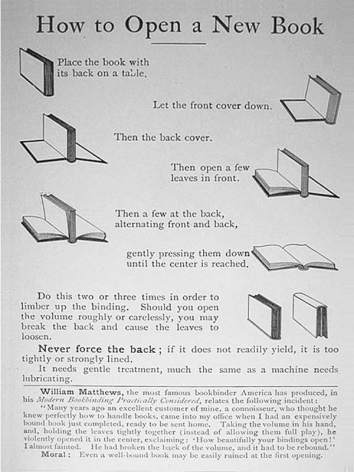
After class this week, I was elated to receive our pulp magazine in the mail, timely and well-packaged. I slipped it carefully out of its protective sleeve of cardboard and plastic, before gently flipping through its pages. Hints of stories to read flashed before my eyes as I gingerly touched its fragile pages. Then it struck me, I needed to document this magazine–to scan its pages, and upload them to the PMP. While I had known this all along, I was suddenly disheartened. The well-preserved mag possessed a very deliberate spine that didn’t seem to want to give way, even to read it wide open. Conservation would be troublesome at best, and I feared that I would have to break the spine in order to scan it properly. What is lost in breaking the original so that a digital copy may live?

howtoopenanewbookA very à propos question to be sure, following our discussions from this week. What is lost in the digital preservation of pulp magazines? What is gained? We spent a great deal of time analyzing the ways in which scholarship and individuals could benefit from a database like the PMP. For my MA thesis I spent a great deal of time looking at archaeological artifacts and 3D replicas. In order to do this, I analyzed the semantics and meaning-networks of ‘originals’ vs. their digital replicas. While my thesis was focused on actual material replicas, I briefly touched upon purely digital replicas as well. Mass-access, availability, and production were all benefits to such a phenomenon. While not going into the ethics of digital replication (mainly of cultural objects you may have no authority to duplicate), I came to the conclusion that the benefits of digital reproduction and preservation outweighed the costs, at least for educational purposes. Most relevant to our topic this week however, I found that meanings and that something extra held within an original artifact only has meaning because we give it meaning. While something can be argued for seeing ‘the real thing,’ many people would not know any different if presented a reliably produced replica. While the old must of a vintage pulp magazine may be hard to duplicate, I wouldn’t be surprised if there were propmasters who could come up a solid approximation for the layperson, which would be indistinguishable, save for perhaps having them side by side.

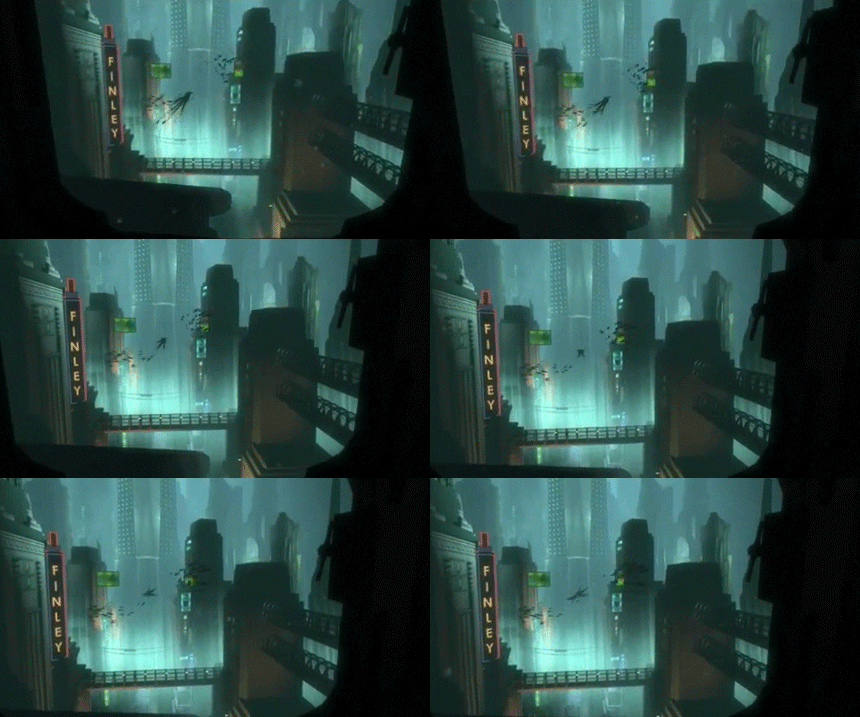
Suffice to say, there are dangers to certain kinds of object-replication. In the case of the PMP, and something that never occured to me before I held one in my hand, is the potential need to break the spine in order to accurately scan the magazine. In this way, the original is broken, is altered due to digitization. My research explored non-invasive digitization of artifacts, and as a result, this adds an entirely new element to such a study. Do the scales shift when the act of digitization destroys, or at least alters, the thing we’re trying to save? Does the good of the many [scholars] outweigh the needs of the few [magazines]?

FLASHFORGE_Flyer_FRONT
3D Replica of the Winged Victory of Samothrace

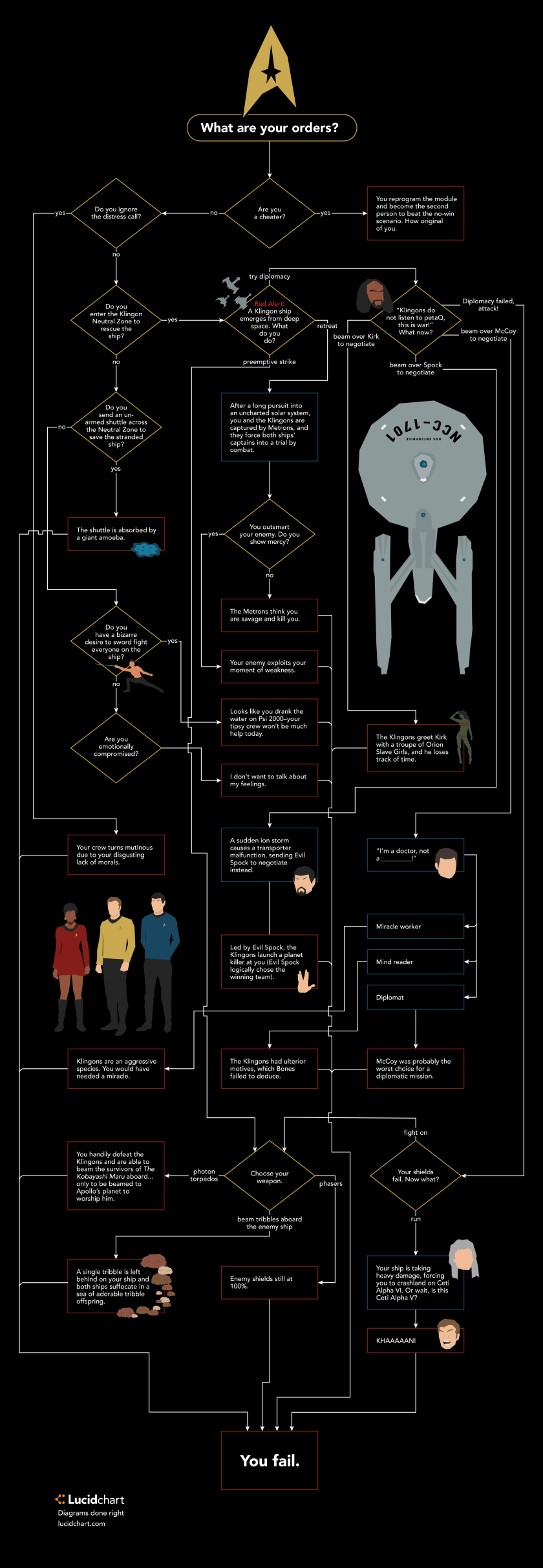
I have to say I’m philosophically at a loss as to the most correct answer in this regard. My inner archaeologist wants me to preserve the original at all costs. That being said, my inner scholar would rather see it digitized before the original crumbles to dust. That’s the thing about paper objects versus stone tools or clay pots–they deteriorate so much faster, and are in so much more need of early digitization to preserve their integrity. It would seem to me that in this case, that Spock was more correct than Kirk at the end of The Wrath of Khan. Sacrificing the physical integrity of the original object for a prolonged digital life, feels as though it’s the right thing to do. The paper copy will ultimately fade and fall apart, even with perfect preservation. It will deteriorate. Pulps were not made to last after all–it’s a miracle we have as many as we do. A digital replica, at least we hope, will never fade beyond the moment the original is scanned. It can be transmitted, duplicated, and shared without fear of lost pages or damages. In an ideal world, one can save both the magazine and create a perfect replica, but I have yet to see if we can pull off a proper Kobayashi Maru. Or are we, like Starfleet officers in training, meant to accept defeat for the greater good?

It seems to me that it’s good our group chose sci-fi after all. It has so much to teach us.

star-trek-update2x
Full Size Link

That feel when…

You receive your 1936 Sci-Fi pulp fiction magazine in the mail at last.

With only minor (and careful) flipping through of the issue, I’m very excited to get engaged with it. I think we made a good choice.

Also, there’s a literal story about “gaslighting.” However, it’s quite literally about the history of Gas Lighters (by the looks of things). And let’s not forget the existence of a circa 1930’s science questionnaire. I’m hyped.

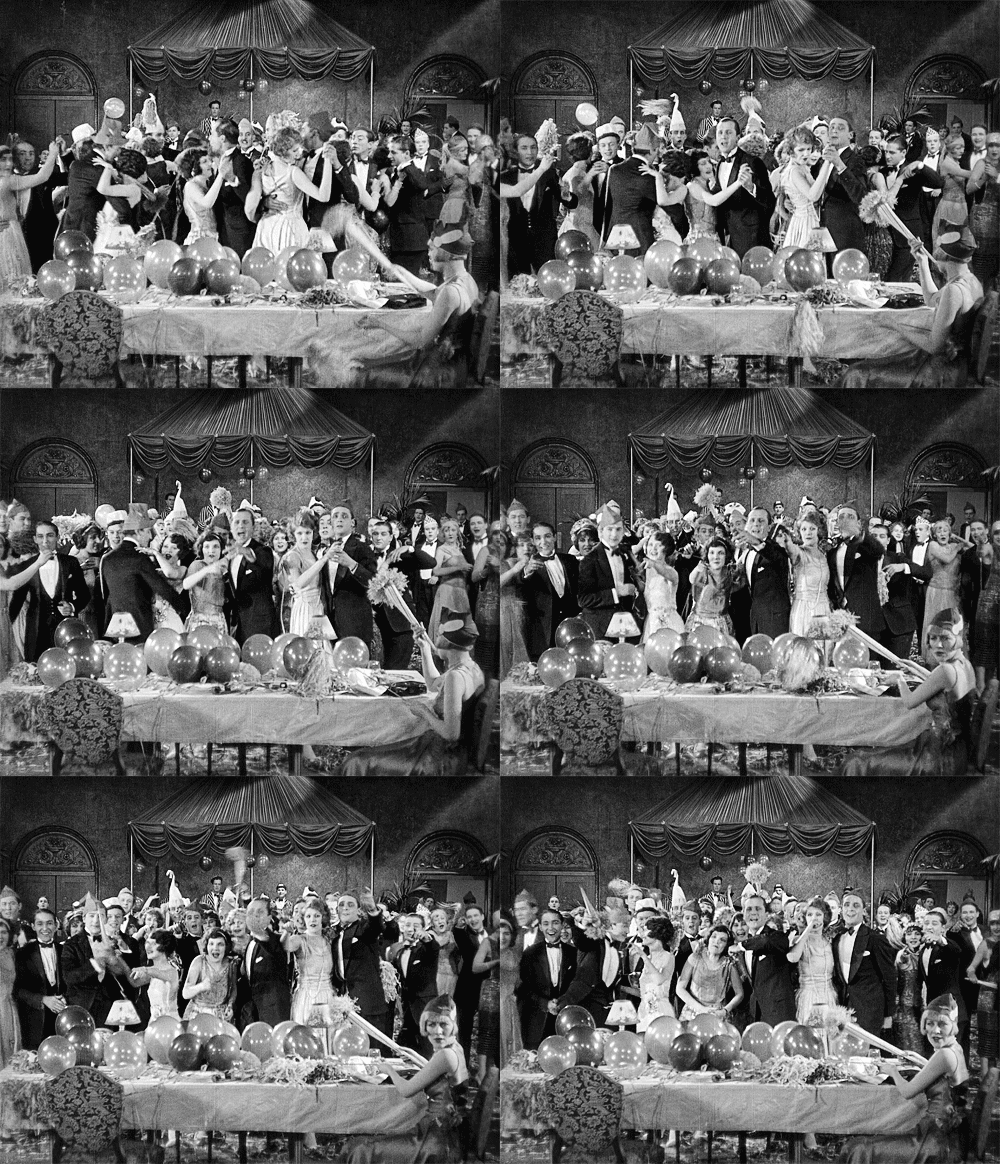
Ready to Party

Things got a little more lively this week as we started to really get into thinking about how to analyze pulp magazines. Class discussion was fruitful and I was very engaged with how much people pulled from the day’s readings. While we covered both Christine Bold’s introduction to The Oxford History of Popular Print Culture Vol. 6: U.S. Popular Print Culture 1860-1920 and the introduction to  Mussell’s Nineteenth-Century Press in the Digital Age, we spent the majority of our discussion working through an anatomical study of Popular Magazine, where people got really into things.

Something that came out of our discussions, which I really carries forward from my initial topic area last week, is the problematic history of pulp magazines. In class last week we discussed the origins of pulp magazines in Dime and Nickel magazines, which were predominantly of a “dangerous” and “sensational” variety, governed by a white and male master narrative.

bioshock_history_2
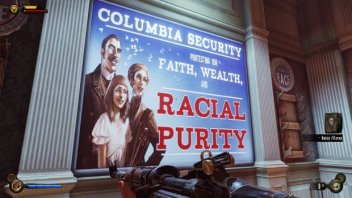
One of the many areas where racial tensions are highlighted in an alternative history setting in BioShock Infinite.

Pulp magazines, coming out of this tradition, had to struggle to establish themselves as a quality source of reading material, away from the juvenility of the Dime mags. As we see in pulp magazines however, this was not entirely possible to get away from, as a lot of the master narrative elements continued. This is something that is picked up in BioShock Infinite, a game that explores issues of race and class extensively, mirroring issues of the pulp magazine era, while forcing us to analyze our own cultural perspectives (e.g. as explored more fully by Waypoint or HowManyPrincesses).


For now I’d like to hold off on the contemporary comparisons to pulps, and instead focus on the analysis of pulps themselves. As demonstrated by Bold, pulps historically fell into a low culture motif, despite their attempt to remove themselves from the Dime and Nickel days.

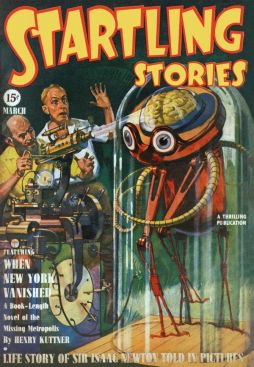
51a60b76f055c3ae366f96dd34e44711-sci-fi-fantasy-weird-science

While this worked, somewhat, to elevate their cultural status, the dichotomous approach to culture remained a dominant force in their ‘place’ in the world — including in academic study. While ‘high’ culture is as much culture as ‘low’ culture, the social elites have continued to try to defame ‘low’ culture in order to keep social groups separate. This has been a problem for academic study in particular, as often ‘low’ cultural elements have trouble being studied in any depth–believed to be lacking any cultural relevance. Naturally, this is far from the truth.

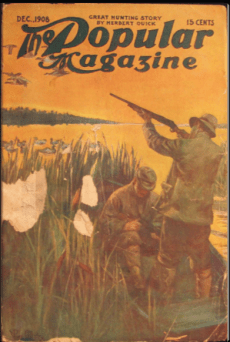
With a large surge of literate Americans and ease of access to printing via the industrial revolution, pulp magazines became a tool of expression for the public at large. This was not without some sort of control however, that as much as pulps were avenues of expression for the non-elites (especially as more sub-genres developed), so too did they serve to normalize and establish a desirable master narrative of Americana. We saw this clearly when we performed an “anatomical study” on The Popular Magazine from December of 1908.

popmagdec.PNGIn this early pulp magazine we found a steady theme of adventure…but only so far. Quite frequently the stories in the magazine conveyed a sense that adventure can be found anywhere for the everyman–even just outside of the city. It is oriented towards this everyman, who is capable of reaching his own potential, if only he tries hard enough (read like traditional Americana or what). The advertisements (at this time) reinforce this theme, with promotions of becoming a better business man, family values, as well as patriotism and nationalism, naturally. This is quite literally laid out at the end of the magazine, where “A Chat With You” leads potential writers into how they should tailor their stories for the magazine. Underpinning these normative performances, we also see simplified and stereotypical representations of People of Colour and immigrants–quite often negative ones at that.
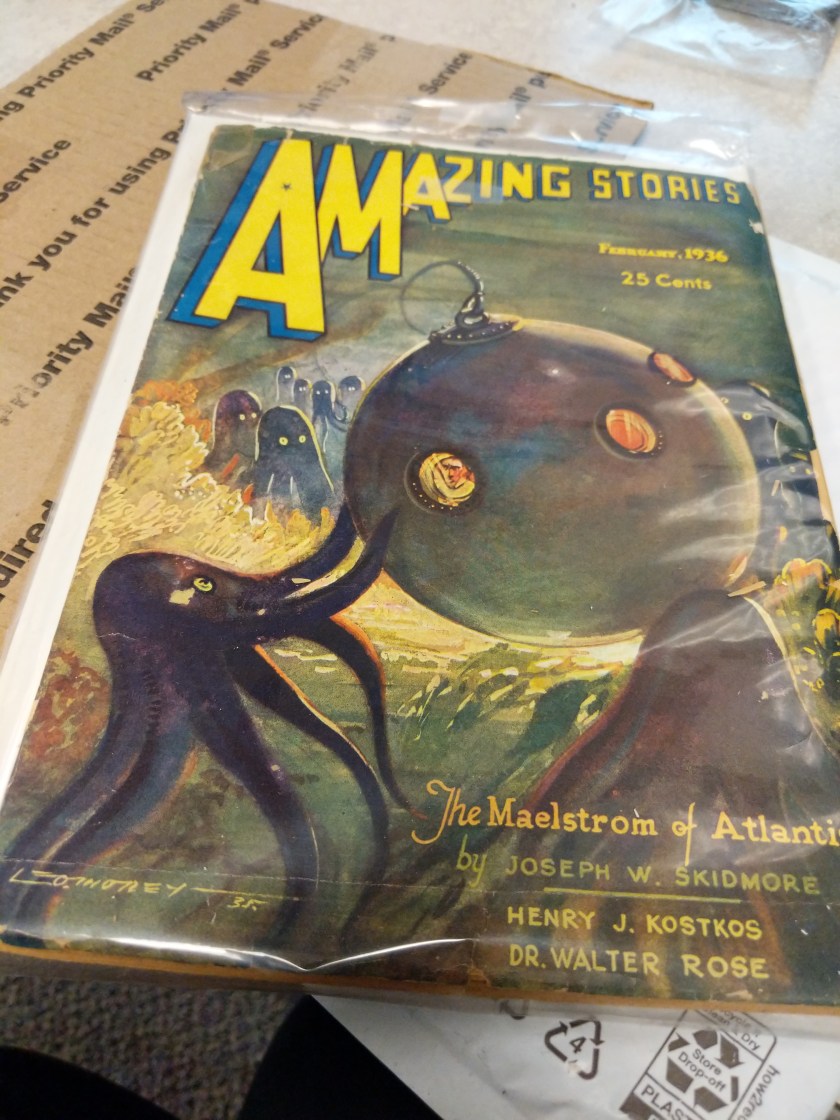
Finally, we took to buying our very own pulp magazines. Searching the e-racks of Ebay, we tried to find an authentic, interesting, and affordable magazine to call our own, and to document for the rest of the term. As a group, we readily decided on a sci-fi theme, as the stories they promised were sure to be entertaining, if only just to see how people saw the future. Luckily, we had a lot of potential options, and settled on a copy of “Amazing Stories” from the mid-1930’s. Sadly we weren’t able to get a synopsis of any of its contents but its cover alone was enough to draw us in. Some sort of squid people rolling people in a Christmas-ornament style orb–what isn’t to love? Here’s hoping its as interesting as its cover suggests–but wasn’t that the hope of all pulp cover art? To draw you in? Well, this one surely has us hooked, and luckily, it follows a nautical theme with “The Maelstrom of Atlantis.”

I’m ready to dive in.

giphy

Breaking into Pulp Reading

I have always been a fan of detective fiction, mystery, and sci-fi novels. This has extended to movies and video games that delve into these topics from a variety of levels. For me, pulp fiction magazines highlight some ways in which these genres came to be developed in a different, more easily digestible, way. 

BioShock Infinite Ad
Advertisement from BioShock Infinite

In particular, some of my favourite games feature art, themes, and graphical styles based on the same styles seen in pulp magazines (BioShock series, Fallout, etc.), and there’s a 

real movement towards narration or satire based on the themes originated in pulp. I would love to trace how some of these things are enacted and developed in pulp magazines, versus how they are manifest in video game contexts. I am curious to see if the tropes and imagery are blatantly pulled from these precursors, or if they are used and adapted to fit the motivations of the game. I know in many cases the themes are adapted, but I am sure there are places that are near recreations of pulp-styles. It’s also interesting to consider how pulp motifs play out in a video game setting, that is often the opposite of quick and digestible.

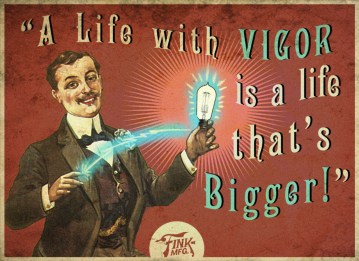
In considering this possibility, I spent a great deal of time pouring over various magazine covers from the Pulp Magazine Project (PMP), and doing a visual overview of various art and media messages found in the BioShock and Fallout series. It was of no surprise that there were a lot of similarities in advertising and message. There are a ton of background advertising stills, videos, and audio clips played throughout both the BioShock and Fallout universes–aimed at creating a very specific type of atmosphere. It is at once ‘nostalgic’ but also a little surreal as they both take what’s familiar (Art Deco, 1950’s suburbia, etc.) and twist them to fit the worlds they want to represent. We buy in because we recognize these cultural markers, but we are carried along by how those markers are shifted and inverted to show us entirely new and often self-reflexive perspectives.

vigor_barker

One of the things that I enjoy so much about these worlds, and why I find them so important for informing my study of pulp magazines, is that the visual motifs used from these video games are derived quite deliberately from the eras that pulps come from.  Not only do they play on nostalgia, but they outright present alternative history representations of the same visual style.

“[Developers] also [make] use of a game’s atmosphere to support narrative–the architecture of the cities, the ambient conversations of the citizens, the advertising of the time period” (Fast Company).

In developing BioShock Infinite, the third BioShock in the series, creator Ken Levine “…was drawn to the time between the Civil War and World War I, a time of scientific progress that saw the development of electricity and the telephone but also religious belief and nationalism. Specifically, he cited, ‘Devil in the White City, which is a great book about the 1893 World’s Fair, and then certain movies give you a feel–There Will Be Blood gave me the weird vibe of revivalism and frontierism'” (Fast Company). As Levine highlights, movies like There Will Be Blood or tv shows like Downton Abbey sensationalize and stylize the eras these pulp magazines represent. They create a feeling–a feeling that I experience simply by looking at the real covers in the PMP. I’m curious if that feeling is because of the pre-conceived cultural understandings I have of those eras, or if any impression is at all factual.

From a more technical angle, I’ve always been interested in typography and layout in magazines, print media, and advertising of all kinds. I would also be interested in exploring how pulp developed their genre visually and typographically. What threads exist between sub-genres, and how do those tie into larger visual symbols. 

While we ultimately discussed in class that advertising could not necessarily be tied to a sub-genre of pulp magazine due to mass-sales of advertising space across a publishing company, it remains interesting to see what kinds of advertising entered into pulps at all. What did companies think the readers of pulp wanted to buy? What did they want them to buy? What can we learn from their sales attempts (including how advertisements are placed throughout a magazine, etc.).

I’m excited to find out.

Taking the Plunge: Leveling Up to the Silver Screen

Whether they’ve cleaned up at the box office or crashed and burned into the side of the building, video game adaptations are here to stay. What makes or breaks these adaptations?

Whether they’ve cleaned up at the box office or crashed and burned into the side of the building, video game adaptations are here to stay. What makes or breaks these adaptations?

Doom. Angry Birds, Super Mario Bros. …

https://www.youtube.com/watch?v=wtMZKYnLg5c

It’s likely you just cringed a bit…and it’s no wonder. Video game movies often get a bad rep. While the inspiration for movies and TV shows come from books at a steady pace, video game adaptations are, well…a different animal altogether. While you can have some more “faithful” versions, like Warcraft, most of the time gamers will shy away from any mention of a video game getting picked up by the non-interactive screen. Why are we so protective over our video games?

If you google most of the more well-known video game movies, you’ll come up with a relatively low bar in terms of ratings. Quite often ranging from a low 5/10 to barely stretching towards a 7/10, video games adaptations are often not rated well. Is this because video games do not easily translate well to a restricted time setting? Do we inherently expect more from video game movies than we do of book adaptations? Are video game enthusiasts just more vocal than avid book-lovers about their adaptation woes? Do the non-gamers just not take as readily to our stories?

It’s been 17 years since the original Tomb Raider films, are you ready for the new one next year?

There are countless potential questions to ask oneself about gaming movies when there has yet to be a truly breakaway success. Sure, titles like Resident Evil have made for a horse-beating franchise, but is that what governs success? It would seem to me that part of the problem with a poorer reception of video game adaptations is anticipation, and subsequently, delivery. Clearly, there’s something about these stories that television and movie producers think will yet turn a profit. With a Tomb Raider reboot on the way, alongside a The Witcher TV series in the works from Netflix, it’s hard to believe that producers are just trying to capitalize on gamer’s desires to see their games on the big screen.

Many of the video game adaptations we see made into movies are action or horror narratives. Silent HillAssassin’s CreedHitmanPrince of Persia, etc. While it may seem like the big explosion or horrific titles would garner the best reaction from audiences. Unfortunately, this has not been the case. It’s not to say that these games don’t possess the storylines to carry forward to the big screen, but perhaps it’s because their narratives are actually too big for films.

Picture this, you’ve spent 35+ hours dedicated to piecing together a video game’s storyline. Through blood, sweat, and controller-throwing tears, you’ve been an active agent in the narrative. When translated to the big screen, anticipation for this kind of experience runs too high to actually be met by any director. While some may argue that books suffer the same fate, I would suggest that while in terms of stories that are too large to be told properly on screen is true, the fact remains that there’s just something that’s missing when you’ve effectively “lived” through a game and come to see it flat on a film screen. Excited gamers often leave theaters upset that the film did not deliver the same experience in a 1.5hr timeframe that they had previously experienced in five times that at home.

Are creepy nurses as creepy when you see them on the big screen? Or more so when you have to navigate through them yourself?

Another problem often felt by video game adaptations over their literary counterparts, is that video game movies are often not judged as their own interpretation of the original storyline inspiration, but are rather criticized for their narrative liberties. Silent Hill butchered the video game’s storyline when it came to the big screen. Melding narrative elements from the first three games, and completely changing established elements in order to fit the silver screen’s demands, it was not well received by series fans.

While on its own it was not the best horror movie of the year, however, it was better than many other horror movies which were better received. The first Resident Evil was saved this critical fate either. If taken on their own without associating them to their original media sources, would they have taken less of a hit by critics? Conversely, like in Warcraft, some video game movies are criticized for assuming the audience knows too much about the video game and neglects to explain things for those who entered the theater unwittingly.

Whether writers/directors are too faithful to the original narrative, or not faithful enough, it seems as though video game adaptations just can’t catch a break. There’s some sort of je ne sais quoi that video games seem to possess that just can’t quite translate to the big screen, even when they seem as though they should. Perhaps, in the end, the timeframe is all that’s holding back adaptations from their true glory. We passionately play through our narratives for hours on end, is it any wonder that the intricacies of these stories don’t translate well to a shorter and non-interactive media?

Does The Witcher have what it takes to break the “bad video game live action” stereotype?

As The Witcher is due to be released as a series on Netflix, perhaps this will change. While many have tried to reproduce games on the big screen, fewer still have attempted live-action small screen productions. If The Witcher succeeds as a TV show, I would suspect we will see many other attempts at small screen adaptations take place. But perhaps that’s a good thing? More time to develop a narrative, and the ability to show the nuances of a game’s environment. Rather than running their heads into the same wall and hoping for different results, this time, things might actually be different.

I’m a glutton for video game movies myself, good or bad. While I don’t think many of the adaptations have been the best movies ever, I do think that they’re often not given as much credit as they deserve. I would love to see more movies cast on the big screen to see the worlds in new ways, not only to see what I already know shown in a new way. Much like what Marvel did for superhero movies, perhaps we just need someone to do it right for once, and maybe The Witcher will do just that.

If not, I’m holding out hope for a great BioShock or Mass Effect trilogy.


What do you think about video games on the live-action screen? Love them or hate them, we want to know! Join us on Discord, on our Facebook page, or Twitter and tell us your opinion.

Get in the Habit: Overwatch

The world can always use more heroes, and you’ve finally decided to become one. We’ve gathered some pro-level tips to get you on your way to saving the world in Overwatch.

The world can always use more heroes, and you’ve finally decided to become one. We’ve gathered some pro-level tips to get you on your way to saving the world in Overwatch.

Now that you’ve decided to settle in and really learn how to play Overwatch,  you realise that it’s the one-year anniversary and most of your friends have been playing for months, if not since closed beta. How do you compete? We’ve got some experienced tips and tricks to help get you caught up on everything Overwatch to get well on your way to pro.


Diversify Your Hero Roster

One of the biggest things you can do for yourself and your team is to learn as many heroes as possible, ideally one from each category (damage, defense, tank, and support). While it’s difficult to master every hero, having a selection of heroes to play will not only give you options when someone chooses your ‘main’, but will also give you an understanding of different roles required to build a proper composite group. Playing a diverse range of heroes will also help you to better understand the strengths and weaknesses of each hero and role, in addition to what some of their counters may be. Do not be afraid to play around with various heroes in a Quick Play environment in order to get a feel for which heroes you may have an affinity. Additionally, you will not likely get the swing of a given hero on your first round. It will take a few attempts before you know whether or not it’s a hero you’d like to explore. While you may find your initial set of heroes early, do be sure to return to other heroes as you learn the game more or as patches are released. You never know when you may decide you love Reaper over McCree, for example.

Learn the Maps & Modes

After you’ve played around in Quick Play or Arcade and have gotten a feel for some of the heroes at your disposal, the next step to success in-game is to really learn the maps, and I mean really learn the maps. As a flanking Reaper or Tracer, it pays to know where every health pack is and what amount of health it will give you. Healers may not always be available to top you off or even to help you survive through tough attacks, so knowing how to survive will save you during hard times. Additionally, knowing secret routes and paths to get to objectives will aid you in flanking to capture, or in preventing others from surprising you. For example, the initial objective point on Volskaya Industries has an exposed flank for highly mobile/aerial characters like Tracer, D Va, Lucio, Reaper, or Pharah to flank from. Knowing about weak points like this in your defense strategy will help you to keep eyes and potential deterrents (like turrets) from letting the enemy through. If you want the safety and time to properly explore maps, you can always make a private game for yourself and really explore things thoroughly without getting shanked from behind by Genji.

For Quick Play and Competitive gameplay, there are three main modes to learn: Payload-based, Control, and Capture. While each of these modes are simple to understand, they can take time to master. Be sure to pay attention to good groups you join in order to learn strategies for accomplishing each goal. For example, while it may be possible to attack a Capture point with two snipers, it will likely make your life more difficult than having more direct DPS in those roles. However, bear in mind that what works in Quick Play, may not hold up against Competitive teams. Reading up on game mode strategies outside of personal experience in-game can also be an asset in this regard. There are also Game Modes found exclusively in the Arcade (Capture the Flag, Brawl, 3v3, etc.), which are best encountered after learning the basics of the regular game modes, as well as after gaining experience with an array of heroes.

Customise Your Experience

After you’ve spent a great deal of time learning the heroes, maps, and game modes, you can start to customise your Overwatch experience on a more micro level. Does your mouse feel too slow when you’re playing on Tracer? Would you like a bit more control over your reticle while sniping on Widowmaker? In your heroes settings you can choose to make changes to all heroes at once, or make specific changes according to any given hero. These changes can include mouse sensitivity and keybinds, in order to make hero-switching between games or mid-match a breeze. This will also allow you to tweak character settings for one hero without damaging what you’re used to on another. While you may find that the majority of your gameplay is acceptable with a standard set of keybinds and sensitivity across the board, having access to these settings and adjusting things as necessary is an asset for mastering the game.

Tweak Your Rig

You’re wall-sliding like a pro on Lucio and tactfully setting up turrets as Trobjorn, hammering your way to glory on most of your adventures in Quick Play. When you start to feel more confident about your gameplay within the Overwatch client, it’s the time to ensure that your computer settings are giving you the best experience you can get. Tweaking both the in-game graphics and interface settings, alongside your own graphics card or game mode settings, can help get that extra little bit of response time that you may need to survive some justice from above. Take the time to read and learn what the optimal settings are for your system for Overwatch and if you have the funds available, consider investing in more performance. Overwatch is a resource-demanding game and the more power you can get out of your machine, the more immersed you’ll be able to get in the world while playing.

While not necessarily a performance-booster, if you really have money to burn and have decided to commit full-time to the game, Razer makes an entire line of Overwatch-specific peripherals that are sure to help you game in style. Not only are the peripherals cool-looking (and an upgrade to any rig), they also change colours and have different effects depending on which hero you play. Keys will also light up according to which abilities are available, or will react according to what your character is doing on-screen. Switching up the beat never looked so cool.

Stay Up to Date

Finally, you’ve learned all the skills, mastered every map, memorized every health-pack location, and have even caved and bought a fancy new Razer keyboard. Surprise, it’s patch day! Things can go haywire at a moment’s notice as heroes are changed and tweaked according to new builds that Blizzard decides to push out. Things will be buggy, overpowered, underpowered, and always frustrating at these times. Have faith and stay informed throughout the process. If you really want to stay ahead of the game (literally), keep an eye on beta news for changes that haven’t been released on the official client yet. If you have the ability, be sure to actually play on the beta test servers as well to get a feel for changes as they happen. If you feel comfortable with the game, also be sure to give constructive feedback on the characters and maps you know best in order to help maintain as much competitive fairness as can be managed. Overwatch, like many other online games today, is an ever-changing work in progress. Things will never stay static and staying on top of things will be your biggest advantage for keeping your skillset up to date. Make rumors, news, and reliable guides your best friend.


Do you have any tips and tricks for getting a head start in Overwatch? What did you find most difficult to learn when you first got started?  Let us know in our discussions and join us on Discord, on our Facebook page, or Twitter!

Why I Timewalk

Sure, the gear and vendor goods are great for a while, but what’s the real reason to keep coming back to Timewalking?

World of Warcraft has changed a lot over the past thirteen years. While some of you have been with the brand since the beginning, others have only recently come into the fold. I’ve been playing WoW since Burning Crusade, specifically, right before the “Black Temple” raid patch dropped. For a long time, I felt as though my WoW-cred was lessened for having not played since Vanilla, like so many of my compatriots, but I have increasingly been feeling my in-game age for a while, particularly thanks to Timewalking.

Longtime Azeroth citizens will likely understand this scenario. You’re going through an old raid showing a new friend your favorite encounters. While the graphics may be a little more dull, and the encounters a lot faster, you find yourself constantly spouting things like: “Well we used to have to pull the boss this way…”, “We needed four tanks for this…”, “Back in the day, you’d never get away with…”, and so on. Even running through leveling dungeons before Timewalking, I found myself making these kinds of statements, or at least conveying how much more “difficult” things used to be, be it due to player strength, gear level, or boss tuning.

Among many other things in WoW, raiding, used to feel more epic, and likely some of that was due to exclusivity. While I am all for the advancements in LFR raiding, there was something to be said for the very first time I stepped into Black Temple and stared Illidan in his blindfolded eyes. The music was building, the tensions were high, and I had no other way of seeing it than with 24 of my soon-to-be closest WoW friends. I’m glad that raiding reaches more people nowadays than it ever did, but at the same time, I can’t help but feel as though something epic about those old encounters has been lost.

Enter Timewalking. When it was released back in the expansion-that-nearly-not-be-named Warlords of Draenor during June of 2016, people were psyched. The ability to go back to old dungeons and clear them out as though we were back at level 70/80 again? Nostalgia abounded left and right, and people were lining up to get their new-old trinkets from the Timewalking vendors. As Timewalking has progressed, we’ve received the addition of Mists of Pandaria dungeons, in addition to the promise of more dungeons as the game progresses. Most recently we heard that Patch 7.2.5 will contain a new addition, Timewalking Raids, namely, Black Temple.

As fun as walking down memory lane with 4 potentially random individuals was, the prospect of Timewalking raiding is all the more enticing. While the current system allows you to queue as you would any other dungeon, Timewalking raids will behave a little differently and require a pre-formed group in order to be tackled. While I’m incredibly excited to waltz into the darkened halls of Karabor once again as my level-70 resto-shaman self, I can’t help but fear that the pre-grouping requirement will reduce the number of people running the raid during the Timewalking period, and with Timewalking only being around a limited time per month (and even more limited to get back to Burning Crusade content), it remains to be seen how Blizzard will handle the accessibility of the revisited content.

Timewalking is a unique experience unto itself in Azeroth. At once, those of us who have been a part of the story since the dawn (or nearly) of the title get to experience a wave of nostalgia through mimicked past experiences. Comparatively, new players bear witness to content long gone and yet experienced anew. Many newer players I’ve spoken with about Timewalking love the system and thoroughly enjoy being able to experience the older content at a relative difficulty, after missing it when it was “current”.

While I play for the nostalgia, and the ability to use all of my pre-Legion legendaries again, I also Timewalk to show my newer friends the “old” days, rather than just talk about it. New experiences and old memories collide in the “Halls of Stone.” I watch my group members perform old mechanics (because in Timewalking they kinda matter) in “The Shattered Halls”. I remember how much I hated doing the challenge mode version of “Shadowpan Monastery” all over again. Awash with emotion when they’re here, and all the more grateful they’re not around all the time, Timewalking dungeons are straight out of the Timeless Isle. Something ephemeral that drifts in and out of view. Shifting faces and eras as it guides us to look back and remember.

While some people run them for their normal-current raid tier box, I’m sure there are plenty of others who play like me, who relive the past through these encounters, and queue with bittersweet thoughts in mind. While the shiny loot is great, it’s the experiences that keep us coming back. Black Temple Timewalking will likely not bring me back to my bright-eyed days as a young shaman, but I can dream, and I can remember.


Why do you Timewalk? Or do you not participate at all? Let us know in the comments below, or join in the conversation on Facebook, Twitter, or Discord.